Friday, 22 May 2026

South Indian Hindu Temples in Canada

South Indian Hindu Temples in Canada

Canada is home to a vast South Indian and Sri Lankan Tamil diaspora that has established numerous magnificent Hindu temples following traditional South Indian architectural styles (Agama Shastras/Drāviḍa architecture). These temples feature iconic towering gopurams and are dedicated primarily to deities popular in South Indian tradition, such as Lord Murugan, Ganesha (Pillayar), Shiva, and various forms of the Amman (Mother Goddess).

Below is a comprehensive list of the major, established South Indian-style Hindu temples across Canada, organized by province.

Ontario (Greater Toronto Area and Beyond)

The Greater Toronto Area (GTA) is the largest hub for the Tamil diaspora in Canada, hosting the highest concentration of traditional South Indian temples.

Richmond Hill Hindu Temple (Richmond Hill)

One of the largest and most renowned Agamic South Indian temples in North America, primarily dedicated to Lord Shiva (Congrevar) and Goddess Meenakshi.

Sri Siva Satyanarayana Swami Temple (Mississauga)

Known for its authentic South Indian worship practices, with a strong focus on Lord Satyanarayana and Lord Shiva.

Canada Sri Ayyappan Temple (Scarborough)

Built to replicate the famous Sabarimala pilgrimage tradition for Lord Ayyappa devotees from Kerala and Tamil Nadu traditions.

Toronto Thiruvenkatam Divyadesam (Scarborough)

A prominent South Indian Vaishnavite temple dedicated to Lord Venkateswara (Balaji).

Sri Varasithis Vinayagar Hindu Temple (Scarborough)

One of the oldest and most prominent Ganesha (Vinayagar) temples in the GTA, constructed entirely according to South Indian Agamic traditions.

Canada Kanthaswamy Temple (Scarborough)

A massive spiritual center dedicated to Lord Murugan, famous for attracting tens of thousands of devotees during its annual chariot (Ratham) festivals.

Periya Sivan Temple / Toronto Sivan Kovil (Scarborough)

A dedicated South Indian Shaivite temple centered around the worship of Lord Shiva.

Sri Meenakshi Amman Temple (Scarborough)

Modeled after the historic Meenakshi Temple in Madurai, India.

Durkai Amman Temple (Toronto/Scarborough)

Dedicated to Goddess Durga, following traditional Sri Lankan and South Indian ritual practices.

Quebec

Montreal has a well-established Tamil community that has constructed several magnificent traditional South Indian temples.

Arulmigu Sivasubramaniya Swamy Kovil / Montreal Murugan Temple (Dollard-des-Ormeaux)

A landmark temple featuring a grand traditional South Indian gopuram, dedicated to Lord Murugan.

Montreal Thiruvenkatam Divyadesam (Dollard-des-Ormeaux)

A sister temple to the Toronto Vaishnavite temple, serving devotees of Lord Venkateswara.

Western Canada (British Columbia and Alberta)

Although smaller in number compared to Ontario, Western Canada features several dedicated traditional South Indian temples built by cultural associations.

Sri Ganesh Temple (Vancouver/Surrey, BC)

Operated by the Sanatana Dharma Kovil Society, this temple serves the South Indian diaspora with traditional Ganesha worship.

Sri Murugan Society of Alberta (Calgary, AB)

A dedicated worship space and community center for Lord Murugan and other traditional South Indian deities.

Hindu Society of Alberta - Maha Ganapathy Temple (Edmonton, AB)

While multi-deity, this temple follows strong South Indian Agamic architectural design, layout, and priestly traditions.

A Note on the Unique Architectural Landscape

While Canada has many beautiful multi-deity temples (such as the Hindu Temple of Ottawa-Carleton or the BAPS Shri Swaminarayan Mandir), the temples listed above are distinct for strictly following Drāviḍa (South Indian) traditions in their administration, daily pujas, liturgical languages (Tamil/Sanskrit), structural styles, and priestly lineages.

South Indian Temple Traditions in Canada

South Indian Hindu temples in Canada stand as grand, structural anchors of identity and spiritual solace for the diaspora. Built in strict accordance with the ancient Agamic texts, these institutions are masterfully constructed in the iconic Dravidian architectural style. They are instantly recognizable by their Rajagopurams—towering, tiered gateway towers adorned with thousands of meticulously sculpted deities—and their square-chambered Vimanas housing the inner sanctums.

Unlike multi-deity community halls, these sacred spaces prioritize the specific theological lineages of Southern India. Shrines are dedicated to core deities like Lord Murugan (the spear-wielding warrior god), Lord Venkateswara (the compassionate manifestation of Vishnu), and Lord Ayyappa (the ascetic deity of Sabarimala).

What makes these Canadian temples truly unique is how they keep ancient, intense traditions alive amidst sub-zero temperatures. During Thaipusam, thousands of devotees gather in cities like Toronto and Montreal, carrying ornate Kavadis (structural burdens) and offering pots of milk to Lord Murugan. Similarly, Pongal (the harvest festival) transforms these snowy complexes into vibrant epicenters of gratitude, where traditional pots of sweet rice are boiled outdoors. Through these timeless architectures and intense expressions of faith, the diaspora seamlessly bridges the geography between South Asia and North America.

Friday, 15 May 2026

Sankalpa for GauSeva: Helping Hindus Perform Sacred Acts of Compassion

Sankalpa for GauSeva: Helping Canadian and NRI Hindus Perform Sacred Acts of Compassion

Sankalpa for GauSeva
Namaste,

For the past few years, as I have been writing about Hindu temples, festivals, and traditions in Canada, one thing has become very clear to me: many of us living abroad carry a deep longing in our hearts — the desire to perform meaningful Sankalpa (sacred vows) and Seva (selfless service), just as our parents and grandparents did back in India.

But living in Canada brings its own realities. Finding a cow to serve (Gau Seva), locating places to feed ants regularly, or arranging consistent feeding of stray dogs is not easy. Time is limited, distances are long, and the infrastructure we took for granted in India is often missing here. Yet the inner call to do something good for other living beings remains strong.

That is why I decided to write this article — not as a business pitch, but as a heartfelt sharing from one member of the diaspora to another.

What is Sankalpa and Why It Matters

In Hinduism, a Sankalpa is a conscious, sacred resolve we take before a puja or a good deed. It is not just a wish — it is a commitment made in front of God. Many of us take Sankalpa for:

  • Gau Seva (service to cows) — considered one of the highest forms of punya.
  • Feeding ants (often linked to balancing Rahu’s effects).
  • Feeding black dogs on Saturdays (to pacify Shani).
  • Feeding birds, cows, or stray animals during Pitru Paksha or Shravan Maas.

Scriptures and living tradition tell us that feeding these beings brings peace to ancestors, reduces negative karma, and invites blessings. For many Canadian Hindus, especially Biharis and North Indians, these small acts feel like a direct connection to our roots.

The Challenge for NRIs in Canada

Here in Canada, we face unique hurdles:

  • Very few gaushalas exist compared to India.
  • Strict municipal rules about feeding animals in public spaces.
  • Busy work schedules and long winters make consistent seva difficult.
  • Many of us want to sponsor fodder, medical care, or daily feeding but don’t know reliable channels.

I have personally received messages from readers in Brampton, Surrey, Calgary, and Edmonton asking: “Bhaiya, how can I do Gau Seva from Canada?” or “Is there a way to feed ants or dogs regularly in the name of my ancestors?”

These questions touched me deeply.

My Small Sankalpa

I am not running a full-time organization yet. I am simply a blogger who loves Hindu culture and wants to see more of us fulfill our spiritual longings while living abroad.

My sincere desire is to create a reliable bridge between Canadian/NRI devotees and authentic seva opportunities in India (and eventually in Canada too). The idea is simple:

You take a Sankalpa and sponsor fodder for cows, food for dogs, or grains for ants.
I (or a future small team) ensure the seva is done on your behalf with photos, videos, and updates.

Everything remains transparent and devotional — no heavy business model, just pure intent.

This is not about making profit right now. It is about making seva accessible. If this initiative grows naturally in the coming years, I am open to shaping it into a small, trust-based startup focused only on genuine Seva projects.

Why This Matters to Me

As someone documenting Hindu life in Canada, I see both the progress and the pain. We have beautiful temples, grand statues, and vibrant festivals. But many of us still feel a quiet emptiness — the feeling that we are not able to give back to other living beings the way our dharma asks us to.

Gau Seva, feeding ants, or caring for dogs may look like small acts, but in our tradition they are powerful. They purify the mind, bring peace to the family, and create positive karma that travels across oceans.

If even 50–100 families from Canada start performing regular Seva through a trusted channel, imagine the collective punya and the satisfaction it will bring.

My Request to You

If you have been thinking of taking a Sankalpa for Gau Seva, feeding street dogs, or supporting any form of jeeva daya (compassion towards living beings), I would love to hear from you.

You can share in the comments:

  • What Sankalpa you want to take
  • For whose well-being (ancestors, children, health, business, etc.)
  • City you live in

I will try my best to respond personally and explore genuine ways to help you fulfill it. No pressure, no payment required at this stage — just conversation with pure intent.

This is my small step. If it resonates with even a few of you, I will consider it a blessing.

Jai Shri Krishna.
May Gau Mata and all living beings bless every NRI family with peace and prosperity.


Hindu Temples in Canada
— A blog by a fellow devotee trying to serve our community

Wednesday, 13 May 2026

Brampton’s Shiva Statue Vs Murudeshwar Vs Kailashnath

Brampton’s Shiva Statue Vs Murudeshwar Vs Kailashnath

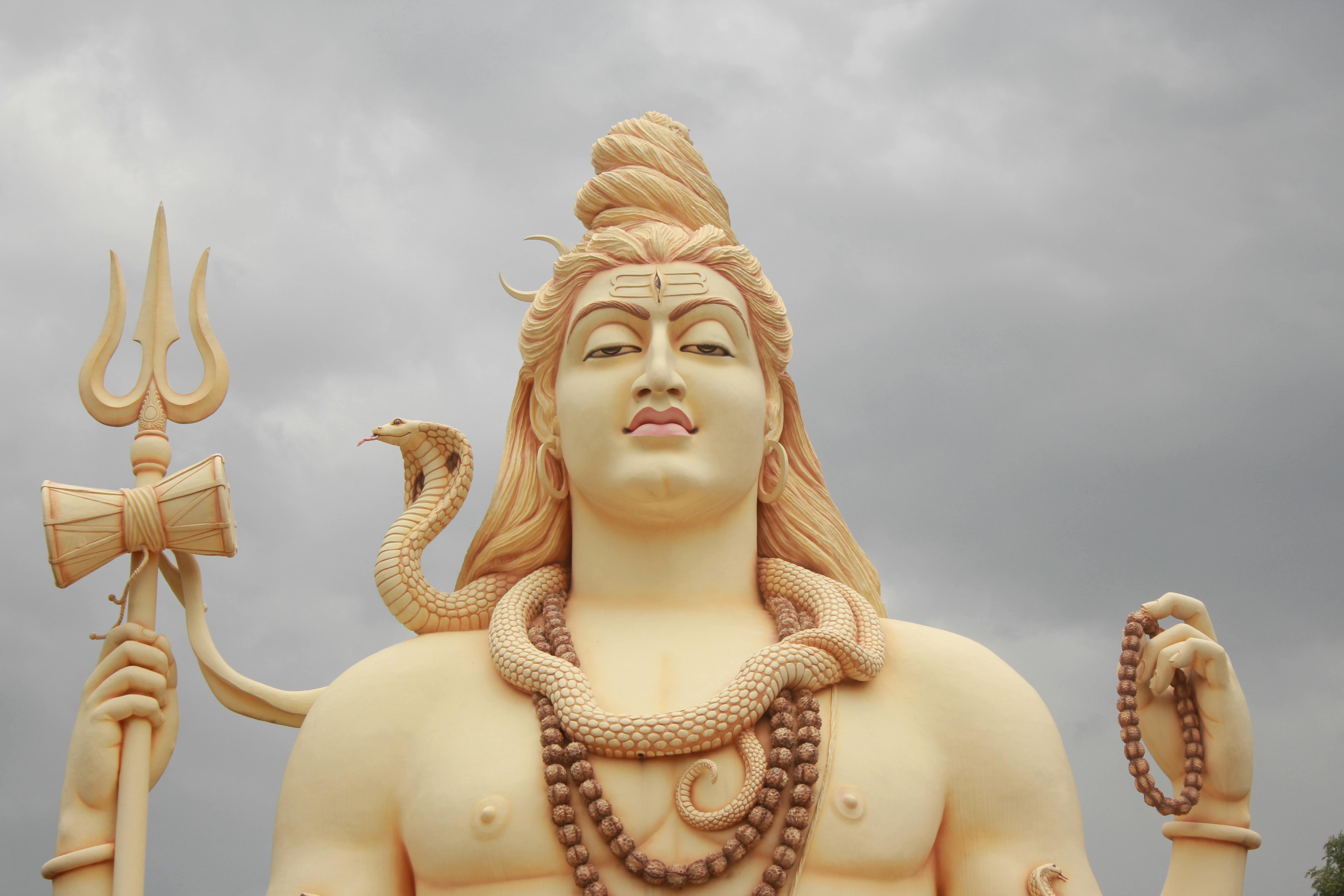
The global landscape of Hindu architecture reached a historic milestone in late 2025 with the inauguration of the largest Shiva statue in Canada. Located at the Bhavani Shankar Mandir in Brampton, Ontario, this 54-foot monument has officially claimed the title of the tallest Lord Shiva murti in North America.

For the millions of Hindus living in the diaspora across Canada, USA, UK, Australia, and Europe, this statue is not just a feat of engineering; it is a profound symbol of the permanence and growth of Sanatana Dharma in the West. As this new landmark draws visitors from across the world, many are beginning to draw comparisons to the legendary colossal statues of the East.

The Brampton's 54 Feet Shiva Statue

The Brampton Shiva statue stands at 54 feet, a height carefully chosen to resonate with spiritual numerology. Unveiled in September 2025, the statue depicts Mahadev in a serene, meditative pose, complete with his Trishula (trident) and Damru.

Brampton Shiva Statue

Brampton's 54 Feet Shiva Statue

Since its inauguration, the Bhavani Shankar Mandir has transformed into a global pilgrimage hub, bridging the gap for devotees who previously had to travel thousands of miles to witness such grand representations of the Divine. It serves as a spiritual anchor for North America’s Hindu community.

The Shiva Statues of Murudeshwar and Kailashnath Mahadev

1. Murudeshwar Shiva Statue (Karnataka, India)

Standing at a staggering 123 feet, the Murudeshwar Shiva statue is currently the second-tallest Shiva statue in the world. Perched on Kanduka Hill overlooking the Arabian Sea, its setting is legendary. When I visited Murudeshwar last year I was amazed to see how wonderful the statue is ! The statue can be seen even from the Highway and Murudeshwar Railway Station too.

Murudeshwar Shiva Statue

Murudeshwar Shiva Statue

While the Brampton statue offers an intimate, community-focused devotional space, Murudeshwar provides a panoramic cosmic experience. The 20-storied Raja Gopura allows devotees to take an elevator to the top for breathtaking bird’s-eye views of Lord Shiva against the ocean.

2. Kailashnath Mahadev (Sanga, Nepal)

The Kailashnath Mahadev holds the record as the world’s tallest standing Shiva statue at 143 feet. Located in Sanga, about 20 km from Kathmandu, this majestic statue is made of copper, zinc, concrete, and steel.

Kailashnath Mahadev Statue

Kailashnath Mahadev Statue

Gazing over the Himalayan foothills, it symbolizes Shiva as the protector of the mountains. Its sheer height — nearly triple that of the Canadian monument — places it among the true global wonders.

Shiva Statue Comparison: Brampton vs Murudeshwar vs Kailashnath Mahadev

Feature Brampton Shiva (Canada) Murudeshwar Shiva (India) Kailashnath Mahadev (Nepal)
Height 54 Feet 123 Feet 143 Feet
Global Rank Tallest in North America 2nd Tallest in World Tallest in World
Primary Material Concrete and Composite Concrete and Steel Copper, Zinc and Steel
Location and Setting Urban, Greater Toronto Area Coastal, Arabian Sea Himalayan Foothills
Atmosphere Community and Diaspora Scenic and Ancient Serene and Mountainous
Key Appeal / View Modern accessibility in the West Iconic sea-view and elevator gopura World-record height

Spiritual Significance of the Tall Shiva Statues

The comparison between these statues isn’t just about feet and inches; it is about the spiritual resonance they create. Whether it is the 143-foot giant in the thin air of Nepal or the 54-foot guardian in the crisp air of Canada, the essence of Mahadev remains the same.

In India and Nepal, these statues are tied to ancient geologies — seas and mountains. In Canada, the Brampton Shiva statue represents a new sacred geography. It proves that the “Destroyer of Ego” can reside just as powerfully in an urban Western setting as He does on a cliffside in Karnataka.

For travelers from the USA, UK, Australia, and Europe, the Brampton statue offers a unique “East meets West” experience, where traditional Vedic rituals are performed under the vast Canadian sky.

Why Brampton’s Shiva Statue is special for Hindus in Canada ?

This grand murti is easily accessible from Toronto Pearson International Airport and major highways. It has quickly become a must-visit destination for spiritual tourists and the Indian diaspora. Special events during Maha Shivratri, Navratri, and other festivals draw large crowds.

Whether you live in North America or are planning a spiritual journey from abroad, the Bhavani Shankar Mandir in Brampton now stands as a proud symbol of Hindu pride and devotion outside India.

Have you visited Canada's Tallest Hindu Gods' Statues Yet? Share your experience in the comments below. For more articles on Hindu temples in Canada and grand Shiva statues worldwide, stay tuned to this blog.

Sunday, 3 May 2026

Hanuman Chalisa in English Text for Canadian Hindus

Hanuman Chalisa in English Text for Canadian Hindus

The Hanuman Chalisa is a sacred 40-verse hymn composed by the poet-saint Tulsidas. We have mentioned English Transliteration of Hanuman Chalisa for devotees across Canada and the world who can not read Devanagari script.


Doha

Shree Guru Charan Saroj Raj, Nij Manu Mukuru Sudhari
Barnau Raghubar Bimal Jasu, Jo Dayaku Phal Chari
Buddhiheen Tanu Janike, Sumiraun Pavan Kumar
Bal Buddhi Bidya Dehu Mohi, Harahu Kalesh Bikaar

Chaupai

  1. Jai Hanuman gyan gun sagar | Jai Kapis tihun lok ujagar
  2. Ram doot atulit bal dhama | Anjani-putra Pavan sut nama
  3. Mahabir Bikram Bajrangi | Kumati nivar sumati Ke sangi
  4. Kanchan baran biraj subesa | Kanan Kundal Kunchit Kesa
  5. Hath Bajra Au Dhvaja Biraje | Kandhe moonj janeu saaje
  6. Sankar suvan Kesari nandan | Tej pratap maha jag bandan
  7. Bidyavan guni ati chatur | Ram kaj karibe ko aatur
  8. Prabu charitra sunibe ko rasiya | Ram Lakhan Sita man Basiya
  9. Sukshma roop dhari Siyahi dikhava | Bikata roop dhari lanka jarava
  10. Bhima roop dhari asura sanhare | Ramachandra ke kaj sanvare
  11. Laye Sanjivan Lakhan jiyaye | Shri Raghuvir Harashi ur laye
  12. Raghupati Kinhi bahut badai | Tum mama priya Bharata-hi sam bhai
  13. Sahas badan tumharo jas gaave | Asa kahi Shripati kanth lagaave
  14. Sankadik Brahmadi Muneesa | Narad Sarad sahit Aheesa
  15. Jam Kuber Digpal jahan te | Kabi kobid kahi sake kahan te
  16. Tum upkar Sugreevahin keenha | Ram milaye rajpad deenha
  17. Tumharo mantra Vibhishan mana | Lankeshwar bhaye sab jag jana
  18. Jug sahastra jojan par Bhanu | Leelyo tahi madhur phal janu
  19. Prabu mudrika meli mukh mahee | Jaladhi langhi gaye achraj nahee
  20. Durgaam kaj jagat ke jete | Sugam anugraha tumhare tete
  21. Ram dware tum rakhvare | Hot na agya binu paisare
  22. Sab sukh lahai tumhari sarna | Tum rakshak kahu ko darna
  23. Aapan tej samharo aapai | Teeno lok hank te kanpai
  24. Bhoot pishach Nikat nahin aave | Mahabir jab naam sunave
  25. Nasai rog hare sab peera | Japat nirantar Hanumant beera
  26. Sankat te Hanuman chhudave | Man Kram Bachan dhyan jo lave
  27. Sab par Ram tapasvee raja | Tin ke kaj sakal Tum saja
  28. Aur manorath jo koi lave | Sohi amit jeevan phal pave
  29. Charon jug partap tumhara | Hai parsiddha jagat ujiyara
  30. Sadhu Sant ke tum Rakhware | Asur nikandan Ram dulare
  31. Ashta sidhi nav nidhi ke dhata | As bar deen Janki mata
  32. Ram rasayan tumhare pasa | Sada raho Raghupati ke dasa
  33. Tumhare bhajan Ram ko pave | Janam janam ke dukh bisrave
  34. Ant kaal Raghubar pur jayee | Jahan janam Hari-Bakht kahayee
  35. Aur Devta Chitt na dharayi | Hanumat sei sarba sukh karayi
  36. Sankat kate mite sab peera | Jo sumire Hanumat balbeera
  37. Jai Jai Jai Hanuman Gosain | Kripa Karahun Gurudev ki naayin
  38. Jo sat bar path kar koyi | Chhutehi bandi maha sukh hoyi
  39. Jo yeh padhe Hanuman Chalisa | Hoye siddhi sakhi Gaureesa
  40. Tulsidas sada Hari chera | Keejai naath Hriday manh dera

Doha

Pavan Tanay Sankat Haran, Mangal Murti Roop
Ram Lakhan Sita Sahit, Hriday Basahu Sur Bhoop


Hanuman Temples in Canada

If you are looking to offer prayers and join the community in chanting the Hanuman Chalisa, here are some prominent temples and shrines dedicated to Lord Hanuman across Canada:

  • Hindu Sabha Temple (Brampton, ON): Known for its iconic and massive Hanuman statue, a landmark for devotees in the GTA.
  • Hanuman Mandir (Surrey, BC): A spiritual hub for the community in British Columbia, offering regular Hanuman Puja and Chalisa recitals.
  • Sridurka Hindu Temple (Scarborough, ON): While dedicated to the Goddess, it houses a powerful shrine for Lord Hanuman where devotees gather in large numbers on Tuesdays.
  • BAPS Shri Swaminarayan Mandir (Toronto, ON): This architectural marvel includes a beautiful shrine dedicated to Hanumanji.
  • Vishnu Mandir (Richmond Hill, ON): Home to the Canadian Hindu Heritage Museum and a serene space for Bajrang Bali devotees.

Jai Shri Ram! Jai Bajrang Bali!

Tuesday, 21 April 2026

Pujas in Canada: Griha Pravesh, Satyanarayan, Navgraha and More – How and Where to Book

Popular Pujas in Canada: Griha Pravesh, Satyanarayan, Navgraha and More – How and Where to Book

For the Indo-Canadian community, maintaining a spiritual connection to their roots is an important part of life. Whether it’s moving into a new semi-detached in Brampton, celebrating a milestone in Surrey, or seeking peace in Calgary’s fast-paced environment, Vedic rituals provide a sense of continuity and divine blessing.

Common Pujas in Canada Temples

The demand for the Puja services has evolved significantly. While many prefer the grandeur of a temple setting, the convenience of freelance pandits who travel to homes—equipped with portable havan kunds—has become the gold standard for personal milestones. From ensuring a smooth transition into a new home to seeking planetary alignment, these pujas are not just religious ceremonies; they are cultural touchstones that bring families together across the Canadian provinces.


Home and Life Event Pujas

Griha Pravesh (Housewarming)
Significance: Cleanses the new home of negative energies and seeks the blessings of Vastu Purush.
When it is done: Upon purchasing a new home or moving into a renovated space, usually on an auspicious muhurta.
Canadian Adaptation: Often performed on weekends to accommodate guests. Due to strict Canadian smoke detector laws, many use "smokeless" havan samagri or keep windows slightly ajar despite the cold.
Temples: Hindu Sabha Temple (Brampton), Gauri Shankar Mandir.

Satyanarayan Puja
Significance: A ritual dedicated to Lord Vishnu to ensure health, wealth, and prosperity.
When it is done: Most commonly performed on Purnima (Full Moon) days or during major life transitions.
Canadian Adaptation: Many temples host communal Satyanarayan Kathas on Purnima evenings, making it accessible for those who cannot host a full ceremony at home.
Temples: ISKCON Toronto, Lakshmi Narayan Mandir (Surrey).

Navgraha and Graha Shanti Puja
Significance: Aimed at pacifying the nine planets and reducing the effects of doshas in one’s horoscope.
When it is done: During periods of hardship or before starting major life ventures.
Canadian Adaptation: Often combined with the Griha Pravesh or a birthday puja to maximize spiritual benefit in a single session.
Temples: Sringeri Vidya Bharati Foundation (Etobicoke).

Anniversary and Janamdin (Birthday) Puja
Significance: Expressing gratitude for another year of life and seeking longevity and health.
When it is done: On the birth date according to the Hindu calendar (Tithi) or the Gregorian calendar.
Canadian Adaptation: Increasingly popular as an alternative to "western-style" parties, often involving a simple Ganesh Puja and Aarti before the cake cutting.
Temples: Most local community temples.


Deity-Specific Pujas

Durga and Lakshmi Puja
Description: Rituals dedicated to the Divine Mother for strength, protection, and financial abundance.
Significance: Essential during Navratri and Diwali.
How it is adapted: Community halls are often rented for large-scale Durga Puja celebrations to accommodate the massive turnout in cities like Scarborough and Edmonton.
Temples: Bharat Mata Mandir (Brampton), Sanatan Mandir (Markham).

Shiva Puja / Rudrabhishekam
Description: The ritual bathing of the Shiva Lingam with milk, honey, and water.
Significance: For inner peace and the removal of obstacles.
When it is done: Mondays or during Maha Shivratri.
Temples: Hindu Mandir (Montreal), Gauri Shankar Mandir.

Hanuman and Saraswati Puja
Description: Focused on wisdom, protection (Hanuman), and education/arts (Saraswati).
Canadian Adaptation: Saraswati Puja is particularly popular among the student population in university towns like Waterloo and London, Ontario.
Temples: Hanuman Mandir (Greater Toronto Area).

God Puja in Canada

Business and Vehicle Pujas

Vahan Puja (New Car Blessing)
Description: A short ritual involving breaking a coconut and applying vermillion to a new vehicle.
Significance: Seeking protection from accidents and ensuring a safe journey.
How it is adapted: Very popular in Canada! Temples often have designated parking spots for "Car Pujas" on weekends.
Temples: Most large temples with parking lots (e.g., Hindu Sabha Brampton).

Nutan Vyapar Puja (New Business Opening)
Description: Blessings for a new office, store, or professional practice.
Significance: Inviting Goddess Lakshmi to reside in the place of work.
Canadian Adaptation: Pandits often perform these early in the morning before business hours to ensure a "grand opening" feel.
Temples: Guruvayurappan Temple (Brampton).

Vahana Puja conducted by Pandit

How to Book Pujas in Canada

Booking a puja in Canada requires a bit of foresight. Here is a practical guide:

  • Temple vs. Freelance Pandit: Temples offer a traditional atmosphere but have fixed schedules. Freelance pandits offer flexibility and home visits but may charge more for travel.
  • Cost Range: Small temple-based pujas (like Vahan Puja) may range from $51–$101. Major home pujas (like Griha Pravesh) typically range from $251–$501, plus dakshina.
  • Samagri (Materials): Most pandits will provide a list. While specialty items like Mango leaves or Durva grass used to be hard to find, they are now readily available at Indian grocery stores like Patel Brothers or local markets in "Little India" districts.
  • Virtual Options: Since the pandemic, many pandits offer "Zoom Pujas" for those in remote areas where no local priest is available.

Modern Updates and Pro-Tips (2026)

As of 2026, several new trends have made hosting a puja in Canada even more convenient:

  • Pre-Packed Kits: Pooja Stores in Canada like India Sajawat and Puja Hut now offer complete "Havan Kits" customized for specific rituals, saving you hours of shopping.
  • Electric Havan Kunds: To avoid any issues with smoke alarms in modern condos, many families now use electric havan kunds or high-powered portable exhaust fans.
  • Online Booking: Many major temples, including Sri Siva Satyanarayana Swamy Temple, now offer full online booking portals where you can select your date and pay via Interac e-Transfer.

A Sankalpa in Hinduism is a sacred promise or conscious resolve made before a puja or good deed. It reflects a sincere commitment before God, not just a wish. Common acts include Gau Seva, feeding ants to reduce Rahu’s effects, feeding black dogs for Shani, and caring for birds or stray animals during sacred periods like Pitru Paksha and Shravan Maas. These actions are believed to bring blessings, reduce negative karma, and honor ancestors. For many Canadian Hindus, especially Biharis and North Indians, such practices help maintain a strong connection to their cultural and spiritual roots.


Final words

The tradition of Puja in Canada continues to flourish, bridging the gap between ancient Vedic wisdom and modern North American life. Whether you are performing a simple Vahan Puja for your new SUV or a grand Griha Pravesh for your dream home, these rituals bring a sense of sacredness to our daily lives. We encourage you to reach out to your local temple or share your own experiences with Canadian pujas in the comments below!

Friday, 17 April 2026

Hindu Weddings and Vivah Samskar in Canada

Hindu Weddings & Vivah Samskar in Canada: Basic Info

Published: April 2026 | Basic Guide for Couples & Families

1. Introduction to Vivah Samskar

Vivah Samskar is more than a wedding; it is one of the 16 sacred Samskaras (sacraments) in Hinduism. In Sanskrit, Vivah means "to support or flow together," and Samskar refers to a refining ritual that prepares the soul for a new stage of life. It transforms two individuals into a unified Grihastha (householder) couple.

Indian Wedding ceremony

In Canada, the Hindu diaspora has flourished, now exceeding 1 million people. This growth has led to a beautiful preservation of Vedic traditions, where ancient mantras echo through modern banquet halls and iconic marble mandirs from Ontario to British Columbia.

2. Traditional Hindu Wedding Rituals

While regional customs vary, most Canadian Hindu weddings center on these core Vedic steps:

  • Ganesh Puja: Invoking the remover of obstacles.
  • Kanyadaan: The symbolic "giving away" of the bride by her father.
  • Agnihotra: The sacred fire ceremony where Agni (Fire) acts as a divine witness.
  • Mangal Pheras: The couple circles the fire four times, representing the goals of Dharma (duty), Artha (prosperity), Kama (love), and Moksha (liberation).
  • Saptapadi: The "Seven Steps." This is the legal and spiritual heart of the ceremony.
  • Sindoor Daan & Mangalsutra: The symbols of a married woman’s status.

A purely religious wedding or marriage ceremony (like exchanging garlands or walking around the holy fire in a Temple) is not legally binding in Canada. To make a marriage legal and to be recognized by the government, you must follow Canadian provincial laws:

  • Marriage Licence: You must apply for a licence at a municipal office (valid for 90 days in most provinces).
  • Registered Officiant: Ensure your Pandit is recognized as a religious marriage officiant by the province (e.g., ServiceOntario or Vital Statistics BC).
  • Witnesses: Two adult witnesses must sign the marriage register during the ceremony.

Pro Tip: Many couples perform a civil "paperwork" ceremony a few days before the religious wedding to simplify logistics for immigration or insurance purposes.

4. Popular Temples for Hindu Weddings Across Canada

Temple Name Location Best For
BAPS Shri Swaminarayan Mandir Toronto, ON Traditional architecture & grand ambiance.
Hindu Sabha Temple Brampton, ON Large guest capacities & Vedic rituals.
Hindu Temple Burnaby Burnaby, BC West Coast community & experienced priests.
Shree Lakshmi Narayan Mandir Calgary, AB Dedicated wedding hall facilities.
Indian Wedding ceremony

5. Pandits & Priests: Finding an Officiant

Finding a Pandit who can explain the Sanskrit mantras in English is often a priority for Canadian-born couples. Key figures such as Pandit Tarun Devgan and Pandit Poornendra Shukla are well-regarded for their ability to blend traditional scholarship with the legal requirements of the Canadian marriage act.

6. Final Take

Planning a Hindu wedding in Canada allows couples to honor their heritage while starting a new chapter in a multicultural landscape. By securing a legal license and choosing a temple that resonates with your family's traditions, you ensure a Vivah Samskar that is both spiritually fulfilling and legally sound.

🕉️ Om Shanti | May your union be blessed.

Thursday, 9 April 2026

Sita Raman Kalyanam in the GTA (Greater Toronto Area)

Sita Raman Kalyanam in the GTA (Greater Toronto Area)

Introduction to Sita Ram Kalyanam

Sita Ramam Kalyanam

Sita Ram Kalyanam in the Greater Toronto Area (GTA) refers to the traditional Hindu ceremonial wedding of Lord Rama and Goddess Sita. This beautiful event is celebrated every year by the South Asian community living in Ontario, Canada.

It is a very important festival for many Hindu families, especially those from South India and the Telugu-speaking community. People come together to remember the divine marriage of Lord Rama and Goddess Sita from the Ramayana. The celebration brings joy, devotion, and a sense of togetherness among the diaspora.

When is Sita Ram Kalyanam Celebrated?

As it is currently April 2026, the main celebrations for 2026 have just concluded. These events usually happen around Sri Rama Navami, which is the birth anniversary of Lord Rama.

In 2026, Sri Rama Navami fell in late March (around 26th to 29th March depending on the temple calendar). Many big events took place on 28th and 29th March 2026. Some smaller programs or follow-up events may still be happening in early April, but the main grand celebrations are now over for this year.

Every year the date changes a little according to the Hindu lunar calendar, but it always falls near Rama Navami.

Key Organizers in the GTA

Many local temples in the GTA organize their own small rituals for Sita Ram Kalyanam. But two of the most well-known organizations that hold large-scale community events are:

Telangana Canada Association (TCA)

They host one of the biggest celebrations in the region. Their 2026 event was held on 28th March at Toronto Kalibari Temple in Mississauga. It brought together many Telugu people for a grand cultural and religious gathering. The event was very well attended and received good coverage.

JET Canada (Jeeyar Educational Trust)

Under the guidance of Sri Chinna Jeeyar Swamiji, this group often organizes the Sri Sita Rama Kalyanam in the Toronto area. They give special importance to the spiritual meaning of the wedding. They teach about Dharma (right way of living) and Karuna (kindness and compassion).

Other groups also take part actively. For example, Toronto Telugu Community (TTC) organized their event in Ajax on 29th March 2026, and Telugu Alliances of Canada (TACA) held theirs in Etobicoke. Many temples like Richmond Hill Hindu Temple and others also conduct their own Sita Rama Kalyanam programs.

What Happens During the Event?

If you attend a Sita Ram Kalyanam in the GTA, here is what you can expect:

  • The Ritual (Kalyanam): Priests perform the full wedding ceremony using beautiful idols of Lord Rama and Goddess Sita. The steps include Punyaha Vachanam (purification), Sankalpam (taking a vow), and the tying of the Mangalsutra.
  • Talambralu: This is one of the most joyful parts. The "bride" and "groom" idols are showered with rice mixed with turmeric and saffron. Everyone enjoys this fun and colourful moment.
  • Cultural Programs: Most events include Carnatic music performances, classical dances like Kuchipudi or Bharatanatyam, and Vedic chanting by priests or students.
  • Mahaprasadam: At the end, a tasty traditional vegetarian feast is served to all the devotees as blessing from God.

The whole atmosphere is full of devotion, music, and happiness. Families come with children and enjoy the day together.

For the South Asian diaspora in the GTA, this event is more than just a religious ritual. It is a big cultural get-together. Here are some reasons why it is so popular:

  • It helps families pass down Vedic traditions and Hindu values to their children and younger generation.
  • It gives a chance to meet friends and relatives in a happy and spiritual setting.
  • In a new country like Canada, such events help people stay connected to their Indian roots.
  • It creates a festive and community feeling where everyone can participate, irrespective of their age.
  • The combination of rituals, music, dance, and good food makes it enjoyable for the whole family.

Many people say that attending Sita Ram Kalyanam gives them peace of mind and a sense of belonging in Canada.

My Final Conclusion

Sita Ram Kalyanam is a wonderful example of how the Indian community in the Greater Toronto Area keeps its rich culture and faith alive. Whether organized by Telangana Canada Association, JET Canada, or other local groups, these events bring thousands of devotees together every year.

If you missed the 2026 celebrations, do not worry. Plan to attend next year around Rama Navami. Check the websites or social media pages of TCA, JET Canada, or your nearest temple for upcoming dates and details.

Jai Sri Ram! May the blessings of Lord Rama and Goddess Sita bring happiness, peace, and prosperity to all.

Article originally based on community information and public event reports. Dates may vary slightly every year according to the Hindu calendar.